Welcome to Part 2 of this series where I continue unpacking how the U.S. systematically dismantled social connection in the name of “progress.” Last time, I wrote about how third places are disappearing. This time, I’m dragging the main culprit into the light: the car.
Yeah. That big metal box in your driveway? It’s not just polluting the air and draining your wallet—it’s actively devouring public space and community life.
How Cars Obliterated Third Places
Let’s be clear: the problem isn’t cars exist. The problem is how everything else was restructured around them, leaving zero room for anything human-scale. Starting in the mid-20th century, we redesigned American life for traffic flow, not people.
Here’s what that did:
- Neighborhoods got zoned into silos—residential over here, retail over there, work way over there.
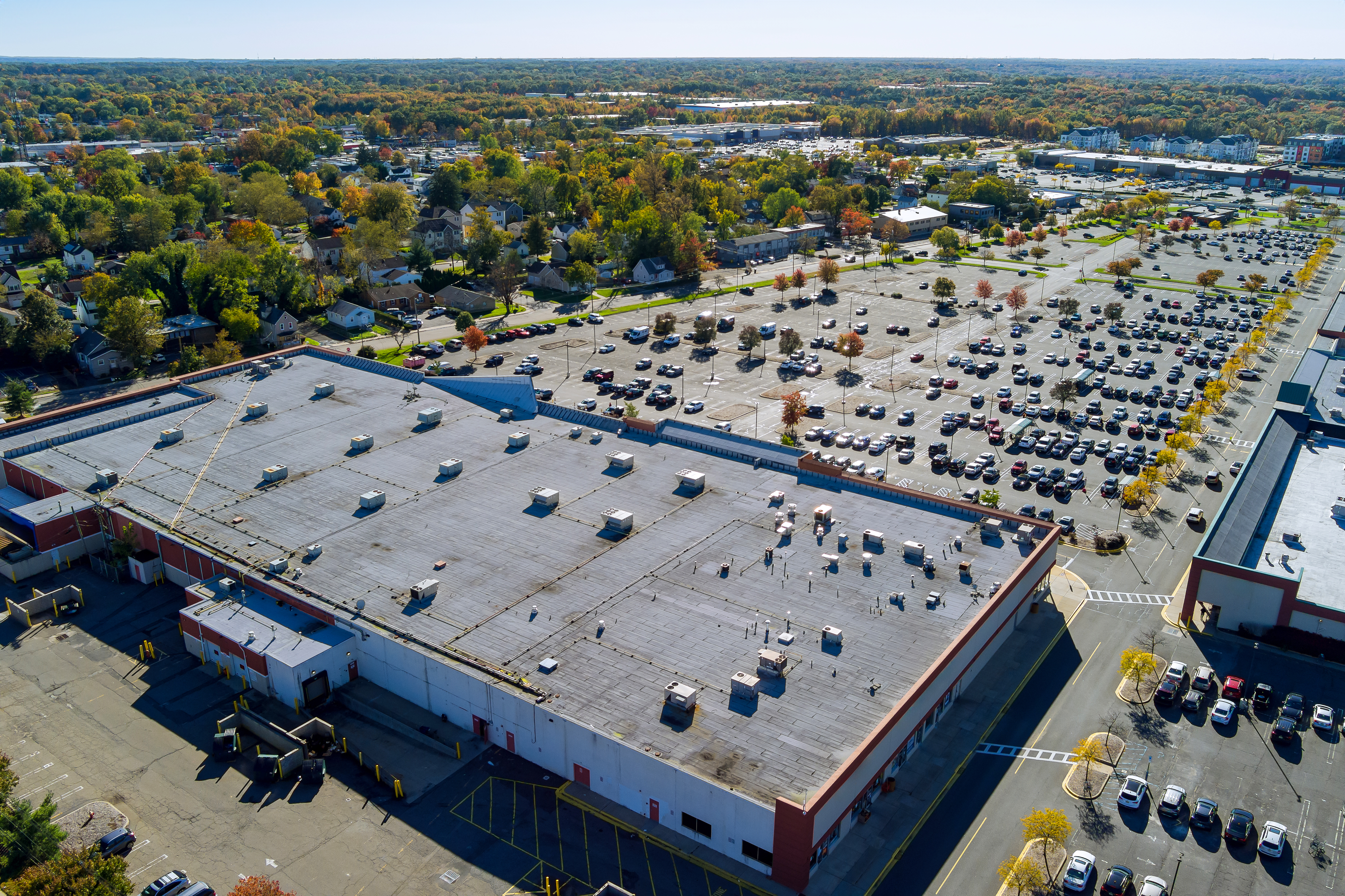
- Public plazas, local markets, and informal hangout zones got paved over for parking lots.
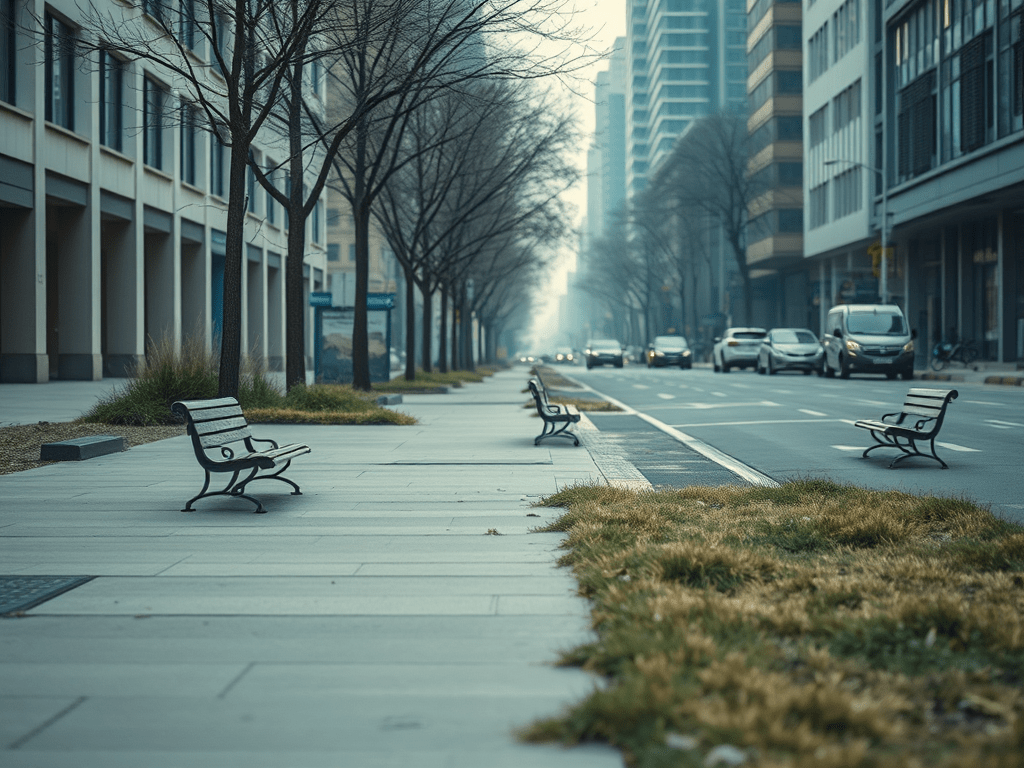
- Sidewalks were shrunk, ignored, or removed entirely. Because who walks anymore, right?
- New “town centers” became drive-to destinations with no soul and no real public use space.
This made third places—those informal community spaces—impractical, unprofitable, and in many places, literally illegal to build.
Parklets: A Glimmer of Hope (That Mostly Got Crushed)
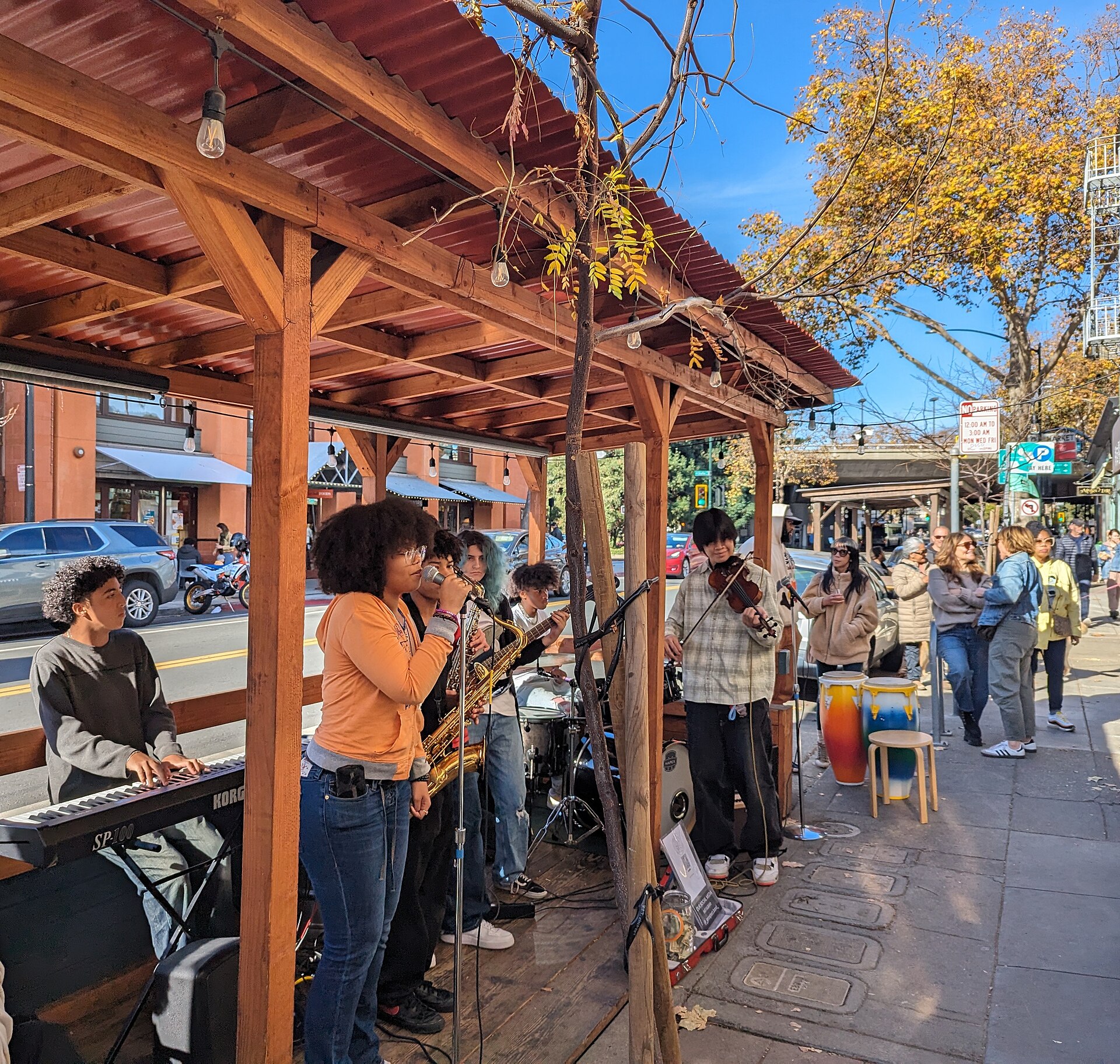
In the early 2010s—and then again during the pandemic—we saw something weird: parklets started popping up. Cities let restaurants and businesses convert curbside parking into mini patios and gathering spaces. They were scrappy, hopeful, often built with plywood and planters.
And for a moment? They worked.
People lingered. They talked to strangers. They treated streets like places to be, not just pass through.
Then the tide turned:
- Restaurant leases ended, and the parklets vanished.
- Cities caved to complaints from drivers about “lost” parking.
- Insurance policies and red tape choked the small businesses trying to keep them alive.
And just like that, most parklets faded back into asphalt.
 Transit Sleuth