Part 2: Pavement and Isolation – How the Car Killed Community

Welcome to Part 2 of this series where I continue unpacking how the U.S. systematically dismantled social connection in the name of “progress.” Last time, I wrote about how third places are disappearing. This time, I’m dragging the main culprit into the light: the car.

Yeah. That big metal box in your driveway? It’s not just polluting the air and draining your wallet—it’s actively devouring public space and community life.

How Cars Obliterated Third Places

Let’s be clear: the problem isn’t cars exist. The problem is how everything else was restructured around them, leaving zero room for anything human-scale. Starting in the mid-20th century, we redesigned American life for traffic flow, not people.

Here’s what that did:

  • Neighborhoods got zoned into silos—residential over here, retail over there, work way over there.
  • Public plazas, local markets, and informal hangout zones got paved over for parking lots.
  • Sidewalks were shrunk, ignored, or removed entirely. Because who walks anymore, right?
  • New “town centers” became drive-to destinations with no soul and no real public use space.

This made third places—those informal community spaces—impractical, unprofitable, and in many places, literally illegal to build.
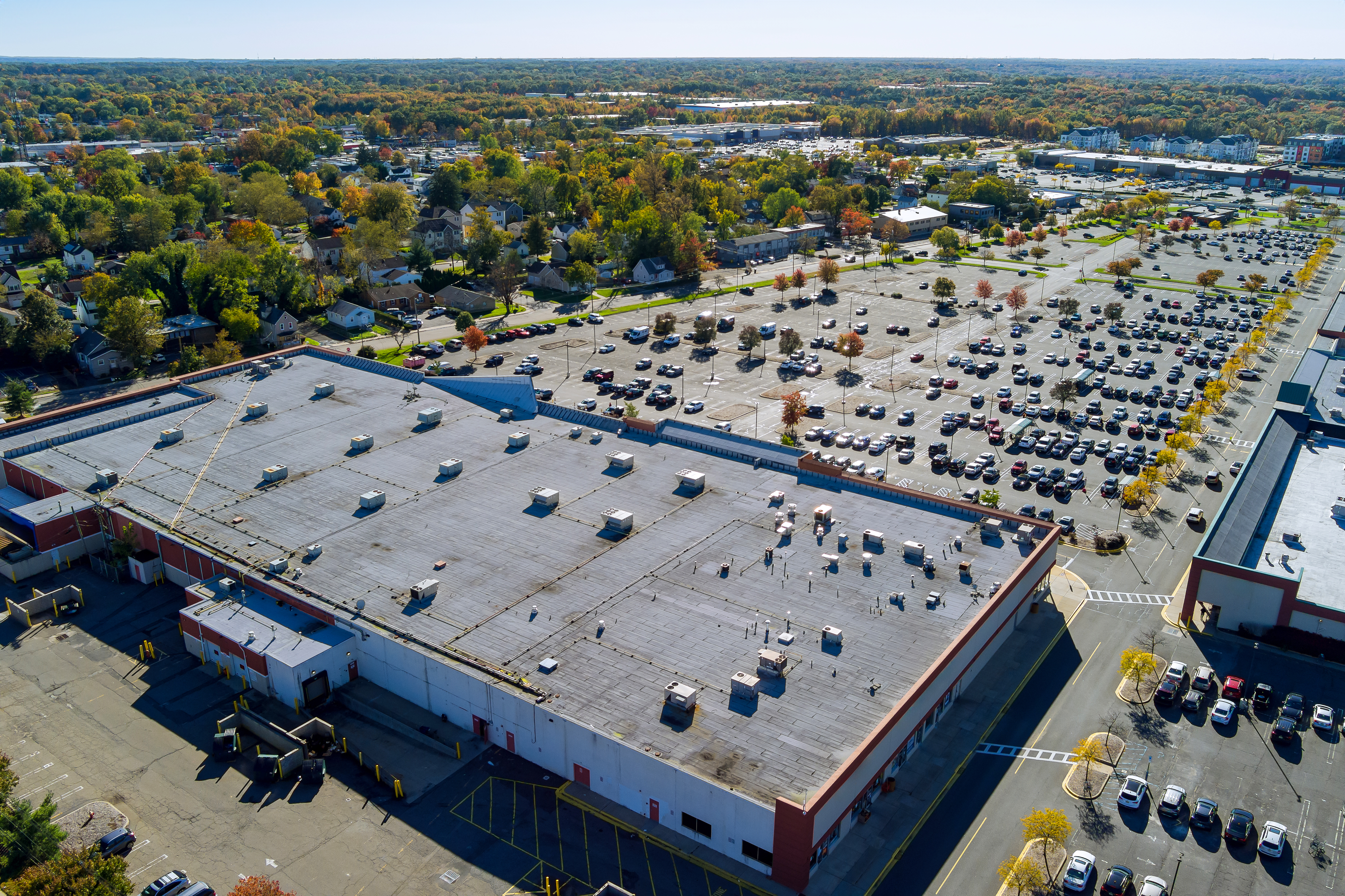
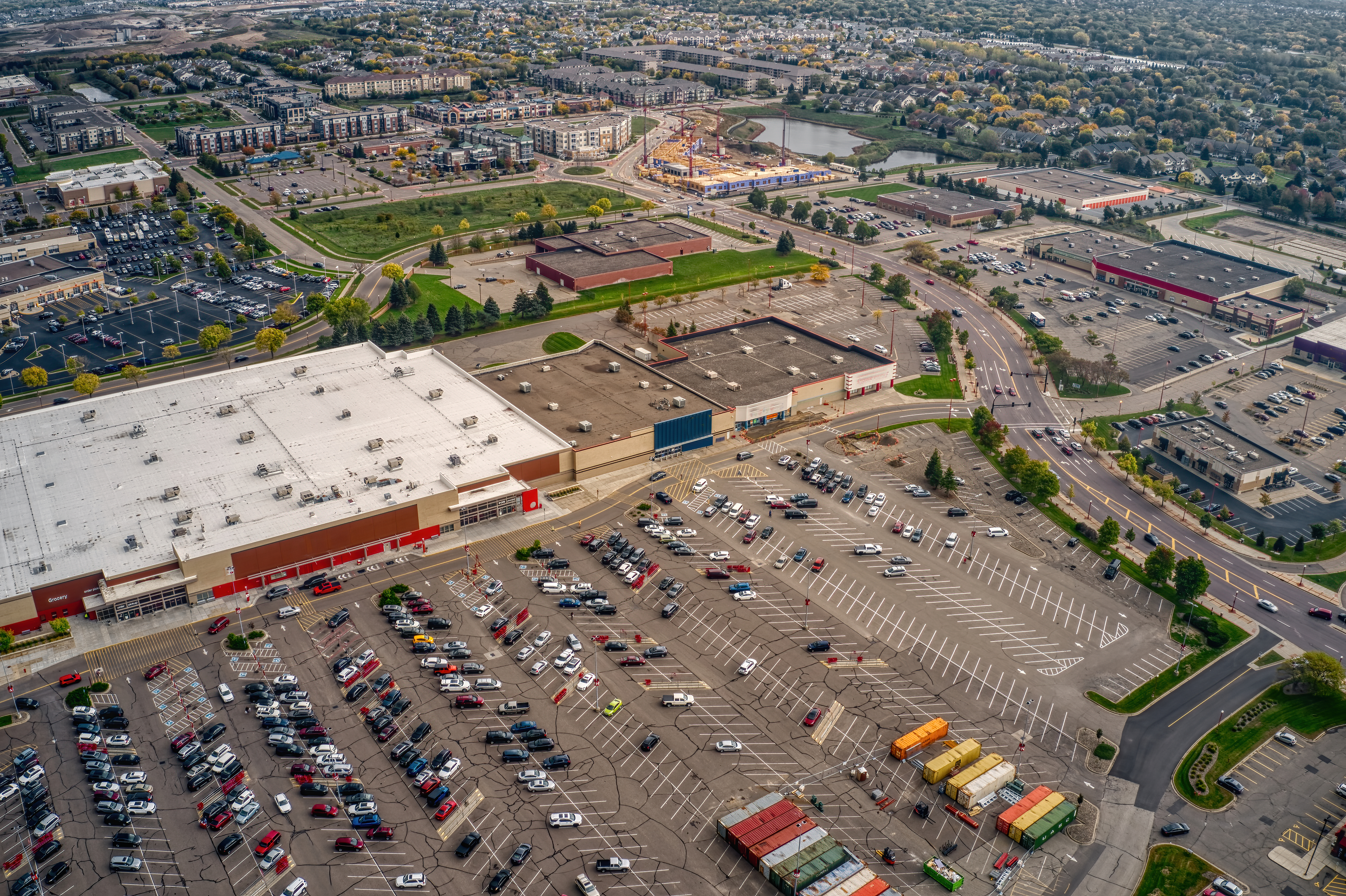
Big parking with cars near the shopping mall center in New Jersey USA

Parklets: A Glimmer of Hope (That Mostly Got Crushed)

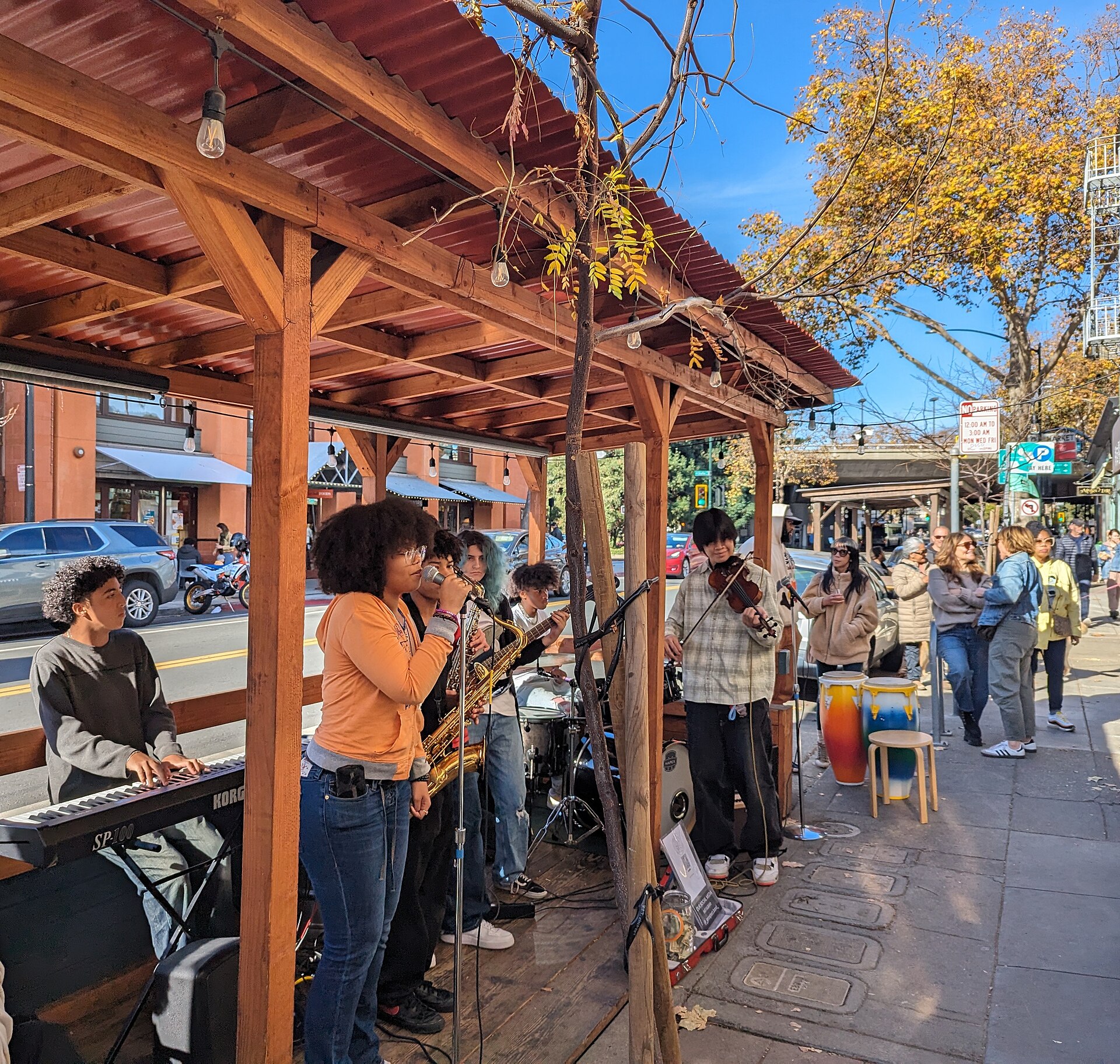
In the early 2010s—and then again during the pandemic—we saw something weird: parklets started popping up. Cities let restaurants and businesses convert curbside parking into mini patios and gathering spaces. They were scrappy, hopeful, often built with plywood and planters.

And for a moment? They worked.

People lingered. They talked to strangers. They treated streets like places to be, not just pass through.

Then the tide turned:

  • Restaurant leases ended, and the parklets vanished.
  • Cities caved to complaints from drivers about “lost” parking.
  • Insurance policies and red tape choked the small businesses trying to keep them alive.

And just like that, most parklets faded back into asphalt.
Part 1: Disconnected by Design – The Death of the Third Place

> “A third place is a space that isn’t home (the first place) or work (the second place). It’s where people go to just exist together.”
> — Ray Oldenburg (Paraphrased and adapted for modern reality)

Let’s get something straight up front. Third places are disappearing (or already disappeared) in America. And no, we’re not talking about some twee idea of a cafe with succulents and overpriced drip coffee. We’re talking about foundational infrastructure—the places that once held the social fabric together.

We’ve designed them out of our neighborhoods, priced them out of our cities, and paved over them in the name of “development.” What’s replaced them? Nothing of substance. Just parking lots, chain retail, and algorithmic dopamine feeds that masquerade as community.


What Is a Third Place (And Why It Matters)

A third place is simple in concept: a social setting where people gather that isn’t home or work. Think:

  • Libraries (Please stop closing them, just figure out how to make em’ work, because they will!)
  • Coffee shops (actual community hubs, not Starbucks outlets)
  • Bookstores with comfy chairs
  • Park benches with regulars
  • Local bars, barber shops, bike co-ops
  • Public plazas, community centers, corner bodegas where people linger

These places foster unplanned conversation, spontaneous collaboration, and yes—real, human connection. They offer a counterbalance to the transactional nature of modern life.

And in the U.S.? We’ve systematically eliminated them.

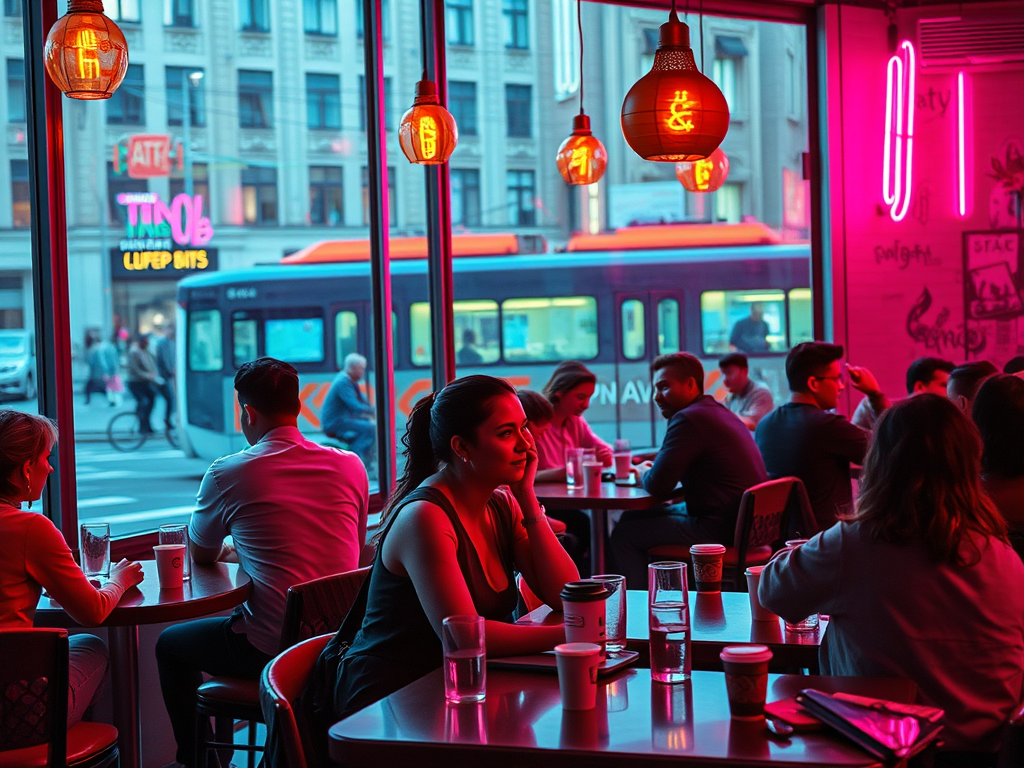
Business freelance team chatting during coffee break in office. Creative multiethnic colleagues engaged in teamwork at coworking open space

From Common Ground to Commercialized Nowhere

If you’re in a suburb, odds are your nearest third place is at least a 10-minute drive away—and no, a drive-thru Starbucks doesn’t count.

Urban planning over the last 50 years has systematically pushed out the informal, low-cost, and unbranded spaces in favor of traffic flow, parking capacity, and revenue-per-square-foot. The result?

  • Communities where there is no place to gather without spending money
  • Spaces that feel sterile, overly regulated, or outright exclusionary
  • Entire generations growing up with no idea what a third place even is
An aerial view of the Twin Cities Outer Suburb of Apple Valley, Minnesota

The Great Digital Substitution (That Isn’t)

Somewhere along the way, we convinced ourselves that social media was a good enough replacement. That Discord servers could be the new pub. That Reddit threads replaced roundtables. That Instagram comment sections were valid forms of shared experience.

No.

Those are digital holding pens designed to manipulate your attention, not give you context, warmth, or presence. You can’t replace a knowing glance or a random conversation with a stream of hot takes and emojis.

They mimic connection. But they don’t create it.

Case Study: Third Place Commons – Holding the Line

Located in Lake Forest Park, Washington, Third Place Commons is one of the few community anchors that still embodies what a third place should be.

  • It’s open to everyone.
  • It hosts events like chess nights, concerts, and civic forums.
  • It’s tied into a bookstore (shoutout to Third Place Books).
  • It isn’t flashy, and that’s the point.

When You Erase the Third Place…

…you erase empathy. You erase frictionless socializing. You erase the chance to bump into people outside of work and curated social events. You erase the “Hey, good to see you again” rhythm that holds communities together.

You replace it with:

  • Loneliness
  • Economic stagnation
  • Fragmented civic life
  • Performative connection

And then we act shocked when people are burnt out, disconnected, and angry.

Next Up: The Car That Ate Your Community

In Part 2, I’ll get into how the automobile didn’t just kill walkability—it nuked third places out of existence. We’ll talk about the rise and quiet death of parklets, the shrinking of civic spaces, and how cities like Portland tried (and often failed) to fight the tide with bike co-ops and transit stations.

If this series hits a nerve, good. It’s supposed to.

You can’t rebuild what you don’t even realize is missing.

Mountlake Terrace, Pizza, and Art

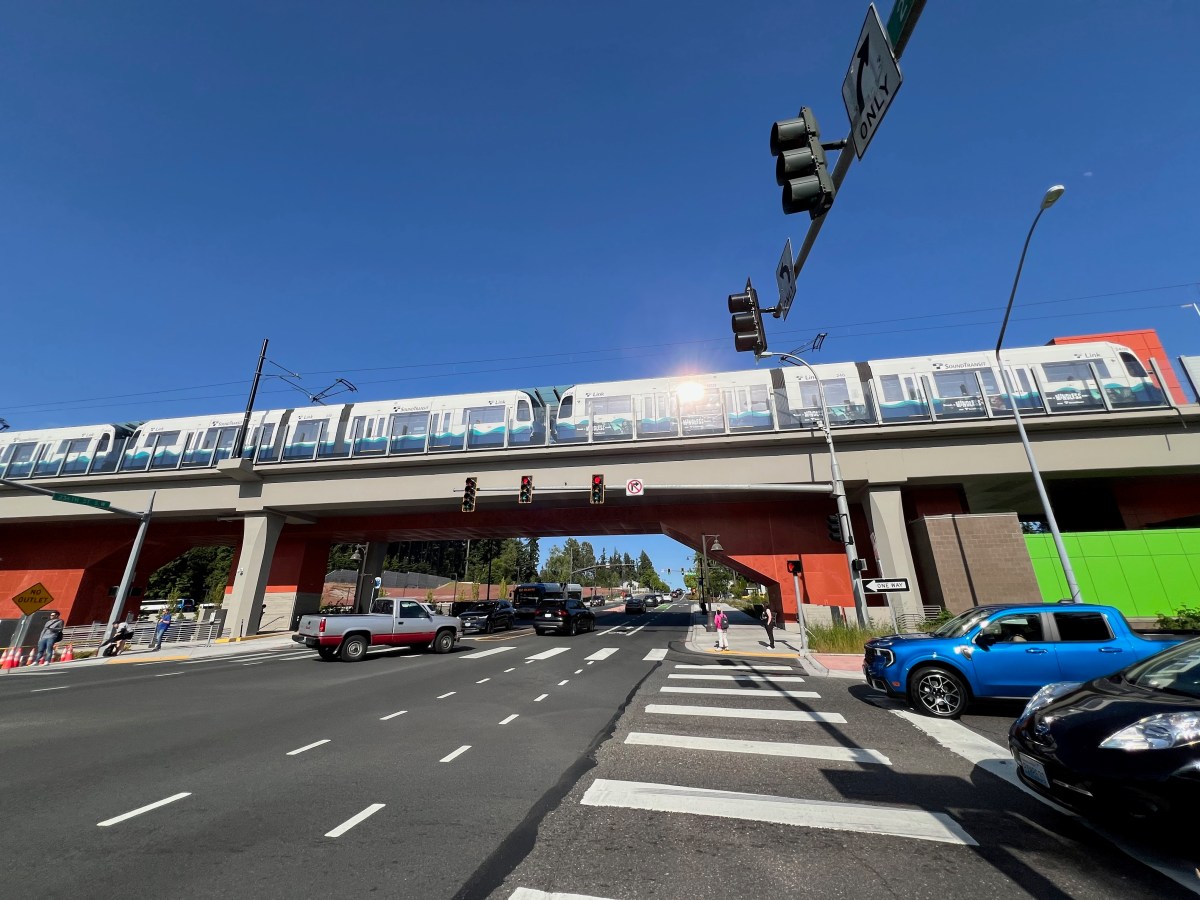
I reached Mountlake Terrace yesterday. It was after a short ride down the Interuban Trail from Lynnwood Transit Center. Upon arriving, and more on the route in a moment cuz it’s worth its own write up, I made a right turn away from the Link station. My intent to roll downhill to the Zeeks Pizza and grab dinner.

As I rolled downhill the utter chaos of dystopian incompetence in parking was on full display. Full suburban entitlement was evident. Car after car, among the majority parked correctly, was pulled into the PBL (Protected Bike Lane). Some were parked halfway in the road, blocking the road and bike lane, all while beside an actual parking spot. A New Yorker would be enraged at the absurdity of parking beside a empty spot filled by a ghost, maybe?! But all that nonsensical disrespectful motorist shit aside, it was a quick roll down from the station and up on to the sidewalk to park.

There was a solid staple rack right out front of the Zeeks, so I saddled right up to that. I then perused the other establishments on the street here. There’s a coffee shop that looks like it’d be legit, but closes at 3:00pm and it’s 5:30 now. There is also a beer brew joint of some sort. All of it looked like legit quality joints! Not entirely what I’d expect this far out into the suburbs, but after the ride (again more on that in a moment), this Mountlake area is one of the more quality areas in the overall metro area! It’s really nice out here!

Anyway, I strolled my happy ass into the pizza joint. One of the staff (or proprietor, I don’t know) she offered I sit anywhere. I went ahead and took a seat on a two top. She came over, and provided menus and offered some beer options upon my curiosity. We discussed beer for a minute, Pfriem specifically because holy hell are they amazing, and then delved into our children and their recent chaos! No idea how we got there but it was a great multi-minute conversation. As the waitress came up and popped around the corner, the trio of us relayed by beer option and then the waitress and I discussed the varietal of pizza options I had before me.

Zeeks

I will admit, she struck me a bit off kilter because she had enthralling dermal facial and septum piercings of a uniqueness – a very artistic uniqueness – I’d not seen. With necklace, jewelry, and other accoutrement, she had an air about her that was very bespoke. Humans in Seattle are not cookie-cutter. Standing out as unique is rare and a significant compliment for me to ponder, let alone verbally offer someone.

I ordered my pizza and chatted with the team there a bit more. I had a pilsner – ok two because the Italian Pilsner was tops. Then I wrapped up. When I paid, I verbally complimented the waitress on her artisanal bespoke style. She genuinely appreciated my word soup compliment. We discussed the idea of one’s self being presented as a human art. In all seriousness, it’s a topic unto itself, but for those that know y’all know. Hat tipped to you all!

I then left. I had a good phone chat with my kiddo. After that, I mounted my steed to claim and uphill to the Mountlake Terrace Link Station. However I did deviate again and cut right. With a slight bit more hill climb, I rolled past. I gave a good look to the claimed “center” of Mountlake Terrace. I also eyed Hemlock State Brewing. Another trip will include that brewery!

With that I made a u-turn mid-suburb and got another hill drop down to the station. Rode the elevator up and the next Link rolled in within minutes. Boarded, and off I went wrapping up this very blog entry. Until next time, enjoy your transit trips, bike rides, and adventures! Slava Ukraini, may fascism fall on its face, and may your quality of life improve endlessly!