On December 6, 2025 (YESTERDAY!) Sound Transit’s Link 1 Line extended south with three new stations, pushing the light rail system deeper into South King County. These aren’t just stops on a map—they’re infrastructure investments that will reshape how people move through the region, and they tell us a lot about what Sound Transit thinks South King County needs.
Let’s talk about each of these stations, because they’re all different, they all serve different purposes, and they all represent different bets on what transit-oriented development looks like in the suburbs.
Kent Des Moines Station: The College Connection
The first stop on the extension is Kent Des Moines Station, located east of I-5 at South 236th Street, right on the border between Kent and Des Moines. This is the station that serves Highline College, and that’s not accidental—colleges are transit goldmines. Students need to get to class, they don’t all have cars, and they’re willing to ride transit if it’s convenient.
The station is elevated, which means it’s above the street, and it includes a 500-space parking garage. That’s a lot of parking for a station that’s supposed to encourage transit-oriented development, but here’s the thing: South King County is car-dependent. You can’t just drop a light rail station in the middle of suburbia and expect people to walk to it. The parking garage is a necessary evil, a bridge between the car-centric present and the transit-oriented future.
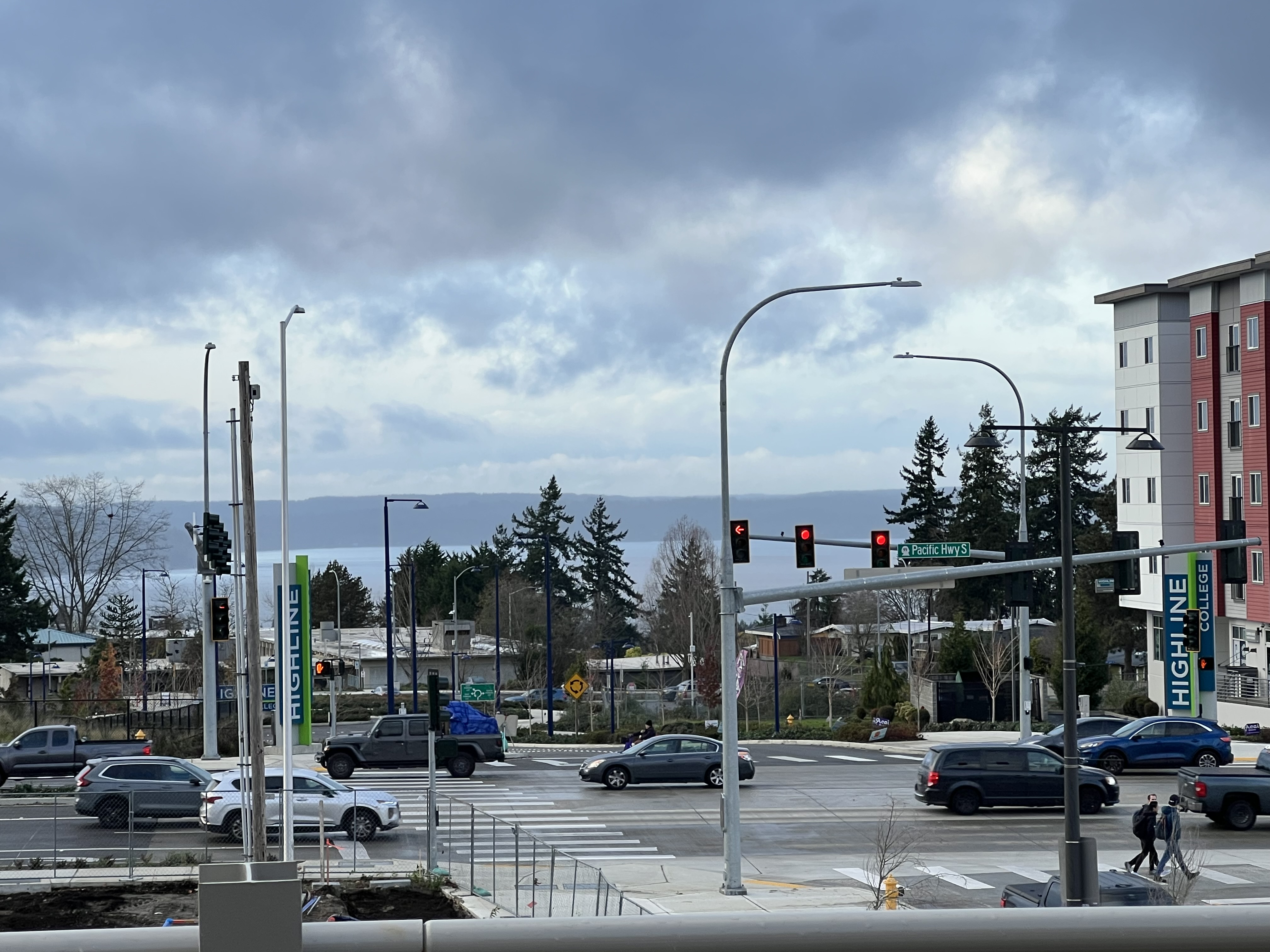
What’s interesting about Kent Des Moines Station is what’s happening around it. Mercy Housing Northwest is building a 233-unit affordable housing project near the station, set to break ground this winter. This is the kind of transit-oriented development that actually matters—not just luxury condos for people who already have options, but housing for people who need transit because they can’t afford cars.
The station serves Highline College, which is good. But it’s also in an area that’s mostly residential, mostly suburban, and mostly not designed for walking. The station will work because of the college connection, but whether it becomes a true transit hub depends on whether the area around it develops into something more than parking lots and single-family homes.
Star Lake Station: The Interchange Hub
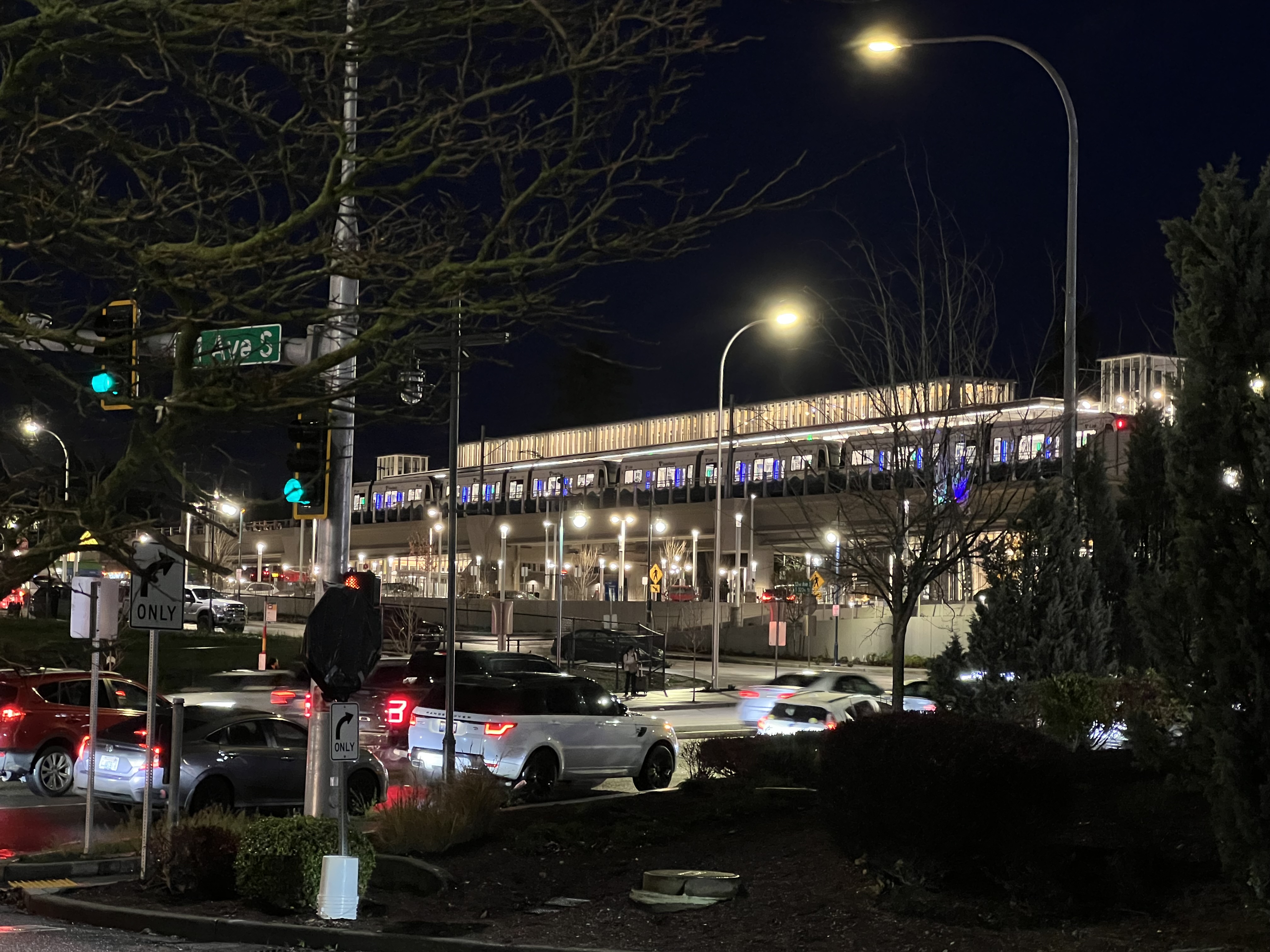
Star Lake Station, at South 272nd Street and 26th Avenue, is the big one. This is where Sound Transit is betting big on South King County’s transit future. The station acts as a key interchange for Link light rail, ST Express buses, and King County Metro services. It’s not just a light rail stop—it’s a transit hub.
The station includes a 1,100-space parking garage, replacing what was previously surface parking. That’s a lot of parking—more than double what Kent Des Moines has—and it tells you everything you need to know about how Sound Transit expects people to use this station. They’re driving to it, parking, and then taking transit. It’s a park-and-ride model, not a walkable urban center.
But here’s the thing: Star Lake Station is also a connection point. It connects to the existing freeway station, which means it’s serving people who are already using transit, just switching from buses to light rail. The station includes a new bike and pedestrian access path, which is nice, but let’s be honest—most people are driving to this station.
The 1,100 parking spaces are a statement. They’re Sound Transit saying, “We know you’re driving here, and that’s okay for now.” It’s a pragmatic approach to transit in the suburbs, where you can’t just expect people to walk to stations that are miles from their homes. But it’s also a missed opportunity. A station with 1,100 parking spaces is a station that’s designed around cars, not around people.
Star Lake Station will be busy. It’ll serve commuters heading north to Seattle and south to Tacoma. It’ll be a transfer point for people switching between buses and light rail. But it’ll also be a reminder that building transit in the suburbs means accommodating the reality of suburban life, even when that reality conflicts with transit-oriented ideals.
Federal Way Downtown Station: The Transit Center Anchor
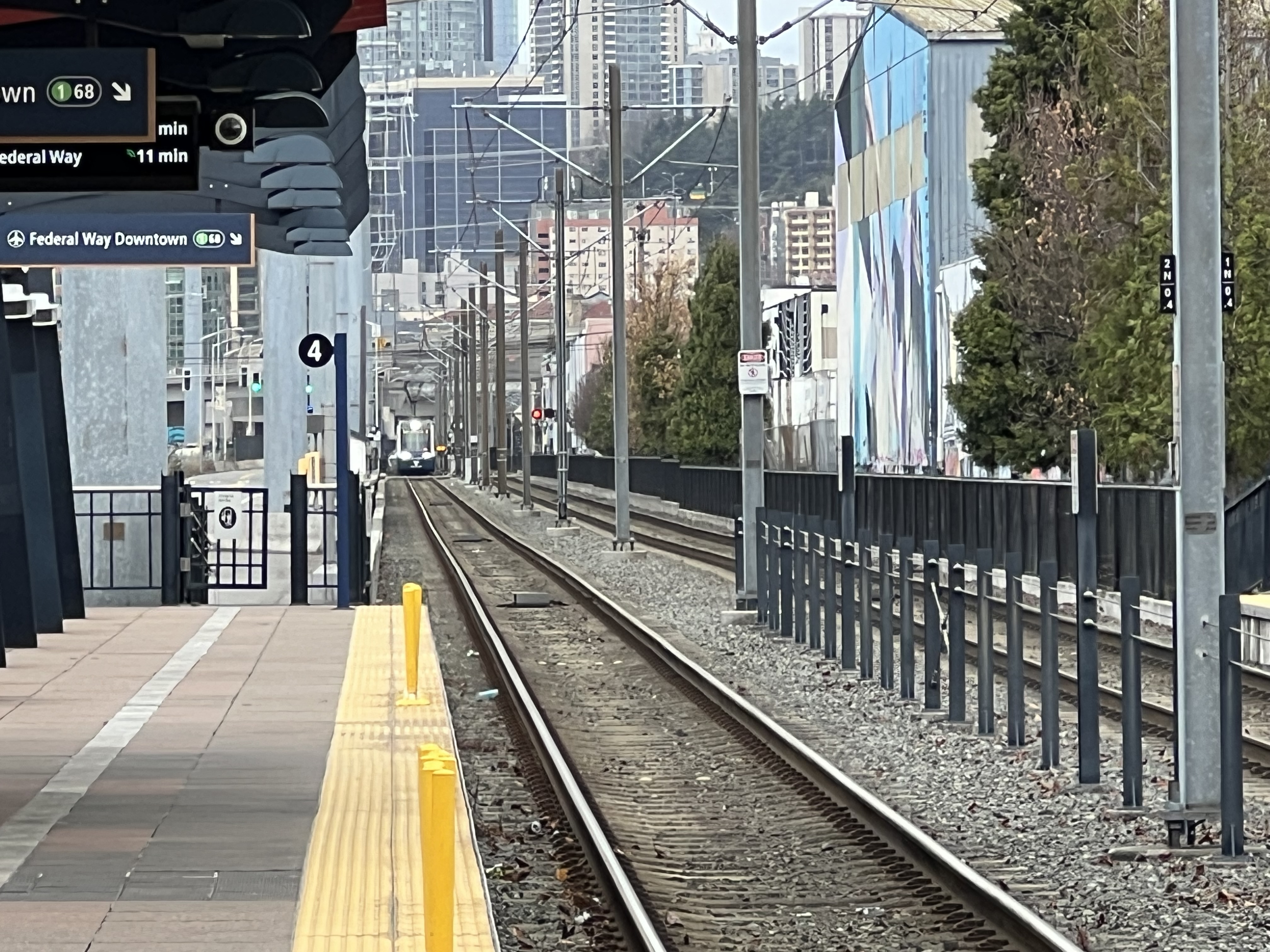
Federal Way Downtown Station is the anchor of the extension, located at the Federal Way Transit Center—one of the busiest transit centers in the region. This isn’t just a new station; it’s an upgrade to an existing transit hub, and that makes it different from the other two stops.
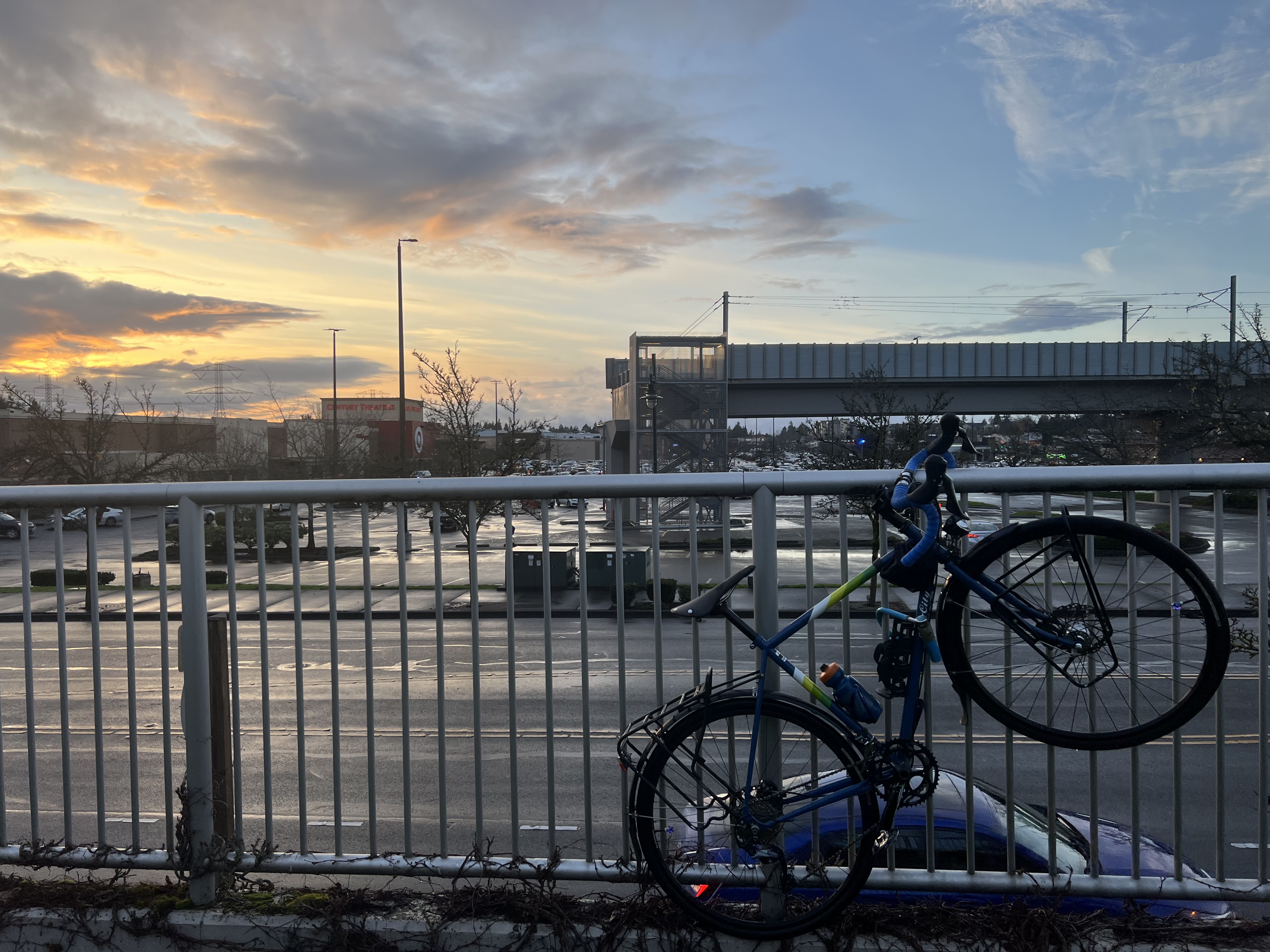
The station adds 400 new parking spaces to the existing garages, which means there’s already parking infrastructure here. It includes public restrooms, which is notable because not all Sound Transit stations have them. And it’s part of a rebuilt street grid with pedestrian and bicycle improvements, which suggests that Federal Way is actually trying to create a walkable downtown around the station.
This is the station that has the most potential for real transit-oriented development. It’s in a downtown area, it’s already a transit hub, and the city is investing in making the area more walkable. The station area offers opportunities for affordable housing and sustainable development, and unlike the other two stations, this one might actually see that development happen.
Federal Way Downtown Station is what happens when you put light rail in a place that’s already thinking about transit. It’s not just a station dropped in the middle of suburbia; it’s a station that’s part of a larger plan to create a more urban, more walkable downtown. Whether that plan succeeds depends on a lot of factors—zoning, development, political will—but at least the foundation is there.
The station serves one of the busiest transit centers in the region, which means it’ll have high ridership from day one. People are already using buses here, and now they’ll have the option to take light rail. It’s an upgrade, not a new service, and that makes it more likely to succeed.
What These Stations Tell Us
These three stations represent three different approaches to transit in the suburbs:
Kent Des Moines is the college connection—a station that serves a specific destination (Highline College) and hopes to attract development around it. It’s a bet on transit-oriented development, but it’s starting from a suburban baseline.
Star Lake is the park-and-ride hub—a station designed around cars, with massive parking capacity and connections to other transit services. It’s pragmatic, but it’s also a reminder that building transit in the suburbs means accommodating car culture.
Federal Way Downtown is the urban anchor—a station in an existing transit hub that’s part of a larger plan to create a walkable downtown. It has the most potential for real transit-oriented development, but it also requires the most coordination between Sound Transit and the city.
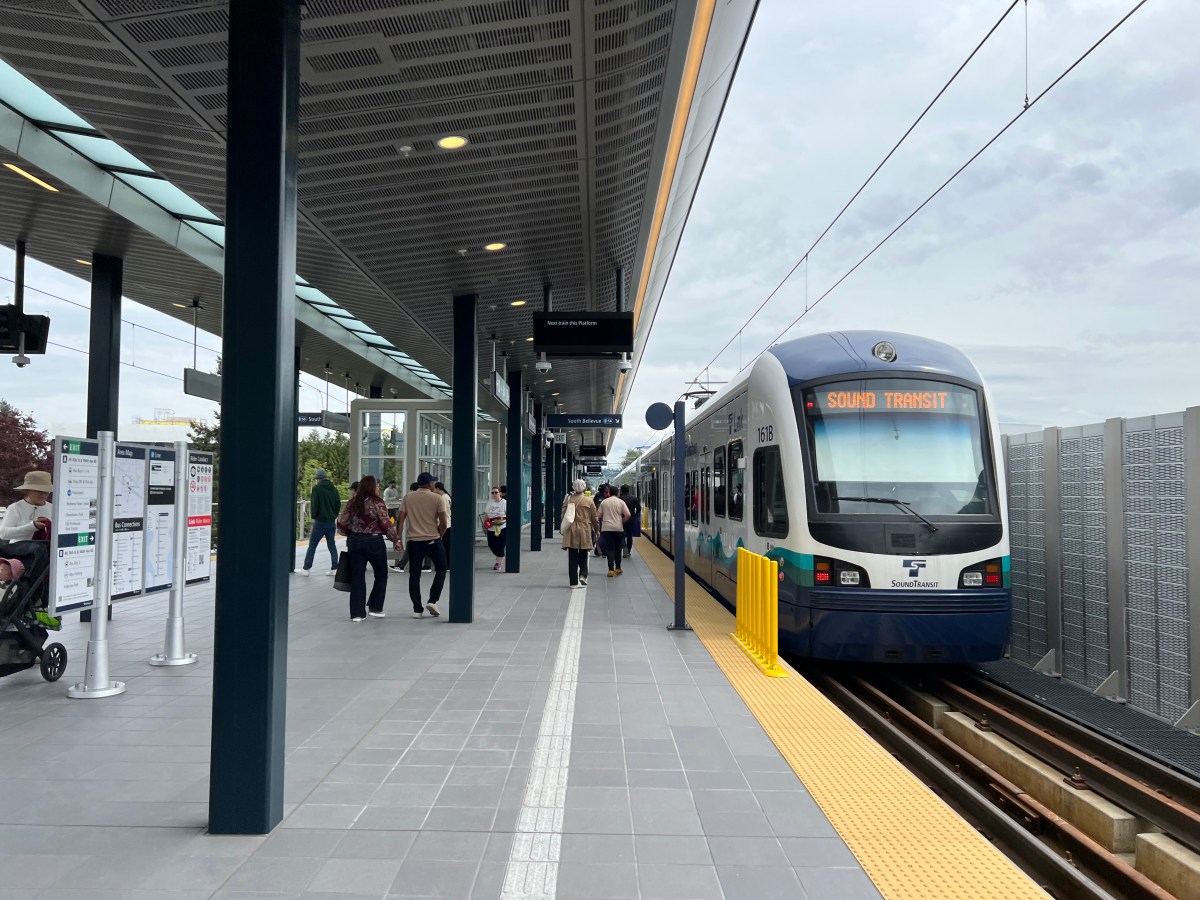
All three stations are elevated, which means they’re above the street, not at grade. This is expensive, but it also means the trains don’t have to deal with traffic, which keeps service fast and reliable. It’s the right choice for a high-capacity transit line, even if it makes the stations feel less integrated with the street level.
All three stations include parking garages, which tells you that Sound Transit knows people will drive to these stations. That’s the reality of suburban transit—you can’t just build stations and expect people to walk to them from miles away. But it’s also a compromise, a recognition that transit-oriented development takes time, and in the meantime, you need to serve the people who are already here.
The Future
These stations open in December 2025, and they’ll immediately change how people move through South King County. But whether they become true transit hubs or just park-and-rides depends on what happens around them. Transit-oriented development isn’t automatic—it requires zoning changes, developer interest, and political will.
Kent Des Moines has affordable housing planned, which is a good sign. Star Lake has massive parking, which suggests it’ll be a commuter hub. Federal Way Downtown has the most potential for real urban development, but it also requires the most coordination.
These three stations are the latest extension of the Link 1 Line spine, pushing deeper into South King County and connecting more people to the regional transit system. They’re not perfect—they’re compromises between transit ideals and suburban reality—but they’re progress. And in a region that’s slowly rebuilding the transit infrastructure it tore up decades ago, progress matters, even when it’s imperfect.
The extension stops are here. Now we’ll see what grows around them.
Further Reading
If you want more context on Sound Transit’s expansion efforts, I’ve written about the agency’s growth on Transit Sleuth:
-
Link Light Rail Opens in Redmond (May 10, 2025) – Observations from the opening day of service to Redmond Technology Station, including ridership stats and operational insights from the East Link extension.
-
Here’s the Straight-Up Status on Sound Transit’s Link Expansion into Redmond (April 26, 2025) – An unvarnished status update on the East Link extension into Redmond, covering the phased openings and the challenges faced during construction.
-
Sound Transit Maps as of 2022, with Expansion Plans Until 2024 (May 15, 2022) – Detailed maps illustrating Sound Transit’s current services and future extensions, providing a visual representation of the agency’s growth plans and strategic vision.
These posts offer a broader perspective on Sound Transit’s ongoing expansion efforts, from the Eastside Link extension to the system-wide growth that’s reshaping how people move through the Puget Sound region. The Federal Way extension is just one piece of a much larger puzzle, and understanding the full picture helps put these three new stations in context.

 Transit Sleuth